RESEARCH AND EXTENSION | TOMATO

Survey and management of fungal tomato diseases
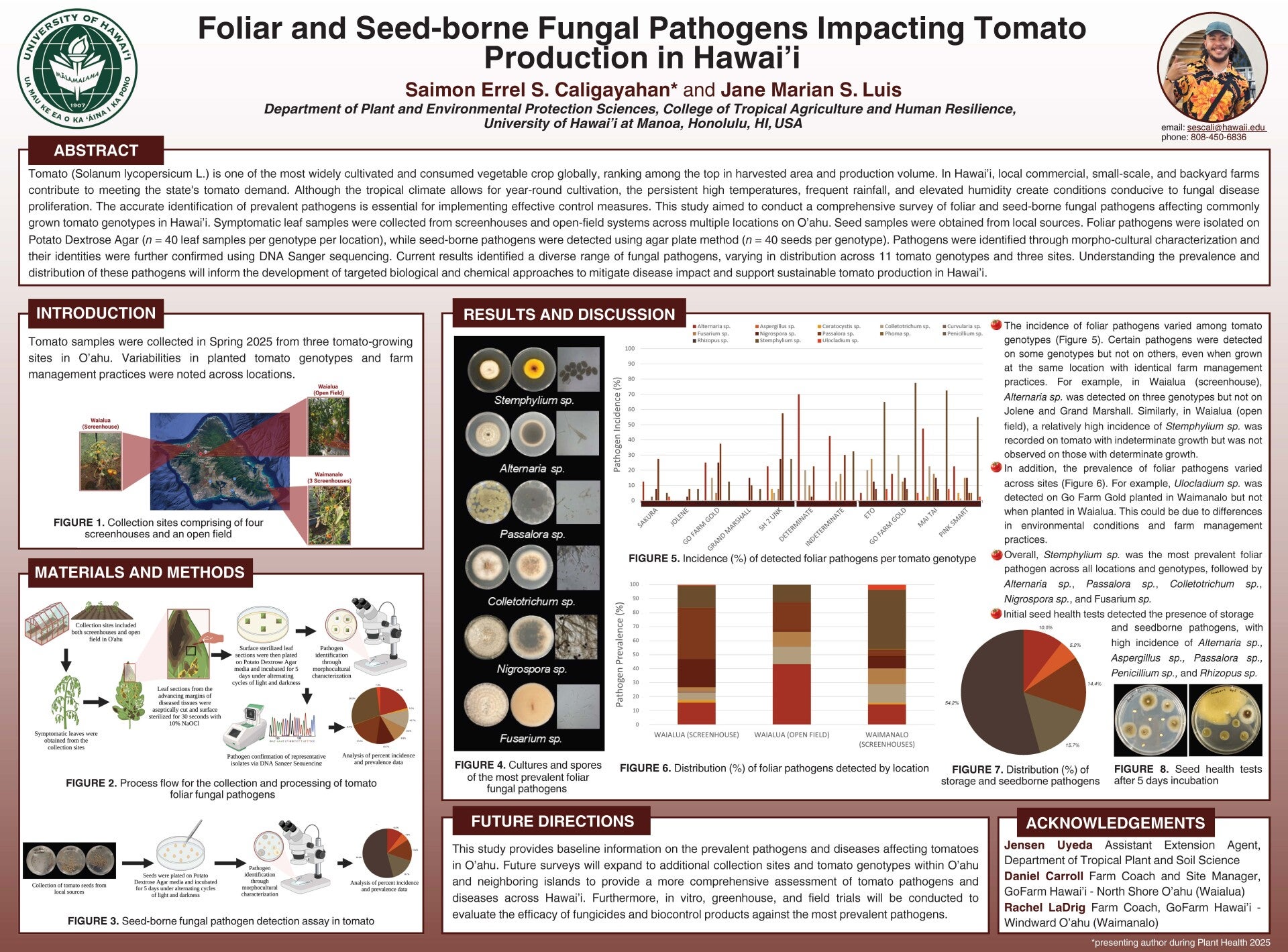
Tomato (Solanum lycopersicum L.) is a widely cultivated and consumed vegetable crop worldwide. In Hawaii, tomatoes are grown in commercial farms, small-scale operations, and backyard gardens. The state's tropical climate characterized by high temperatures, frequent rainfall, and elevated humidity creates ideal conditions for fungal disease development. Disease occurrence and severity are further influenced by tomato genotype and growing conditions. Identifying the prevalent pathogens and implementing targeted disease management strategies will help improve crop productivity and minimize yield losses.
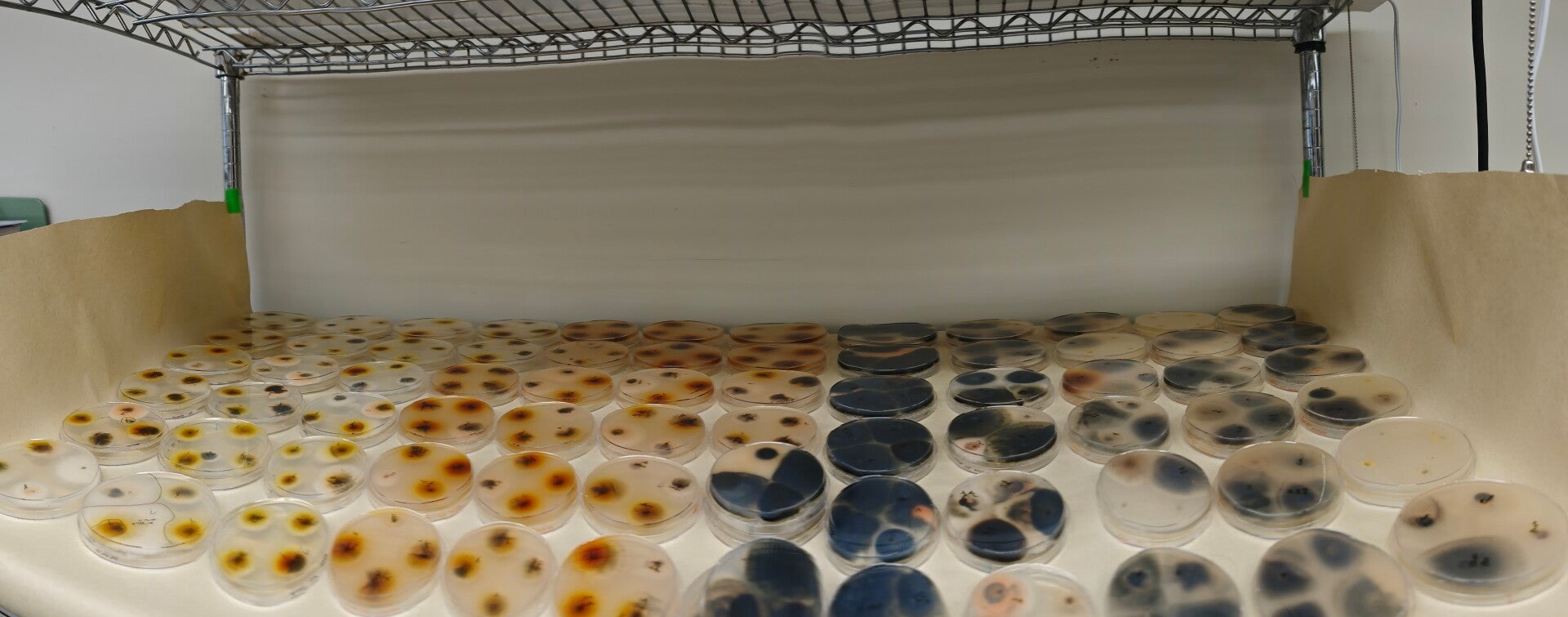
Scope of the Project
Foliar and seed-borne fungal diseases were identified through on-site surveys conducted in various tomato-growing locations in the island of Oahu. Disease incidences (%) were recorded to determine the most prevalent pathogens. The efficacy of biocontrol and fungicide products will be tested against the major pathogens identified.
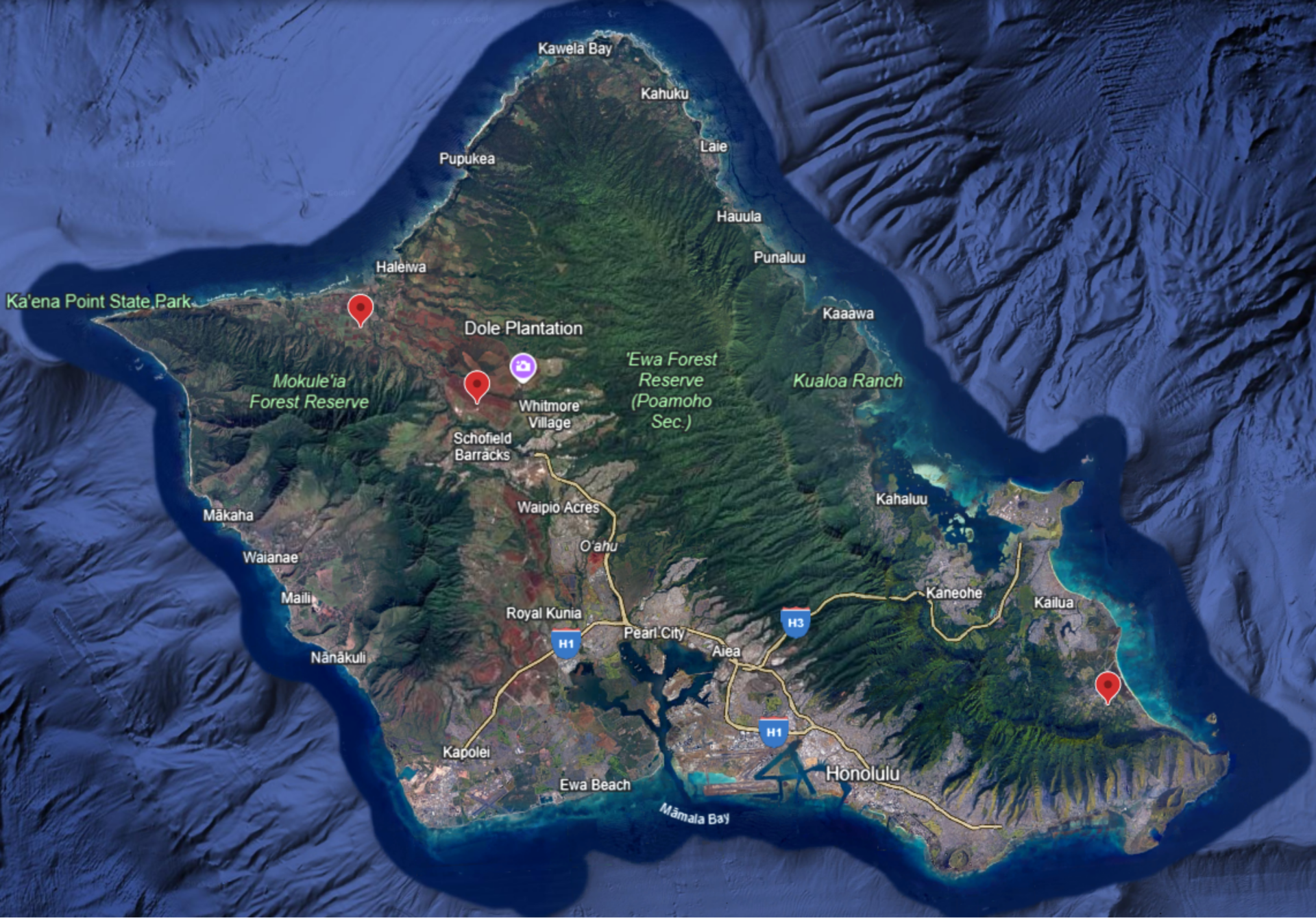
Survey Sites
Tomato leaf samples were collected in Spring 2025 from three tomato-growing areas in Oahu. We plan to expand the survey to additional farms to obtain a more comprehensive survey.

Identification and Quantification of Pathogens
Symptomatic leaf samples were plated onto potato dextrose agar (PDA) and 10% V8 agar media. After incubation, pathogens were identified based on their morpho-cultural characteristics and further confirmed through molecular assays. Disease incidence (%) for each tomato genotype and location were also recorded.
Detected Pathogens

Stemphylium

Alternaria

Cladosporium

Colletotrichum

Fusarium